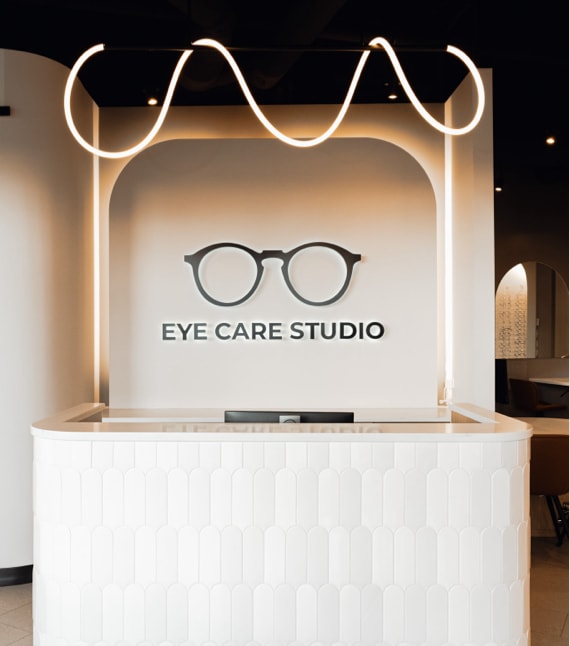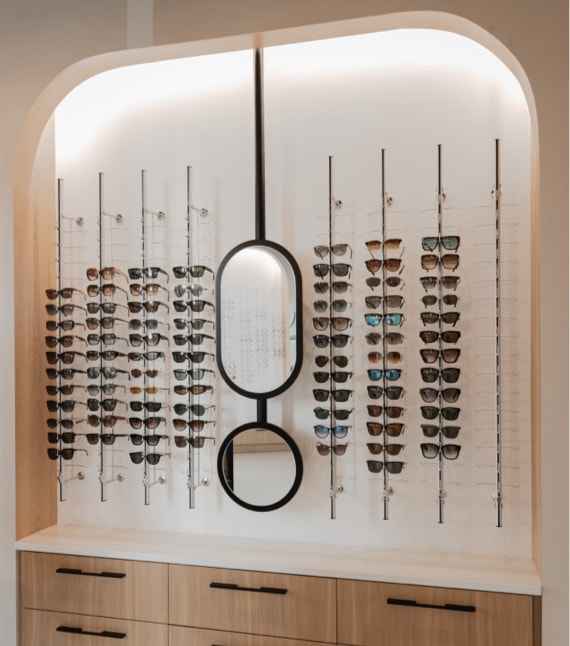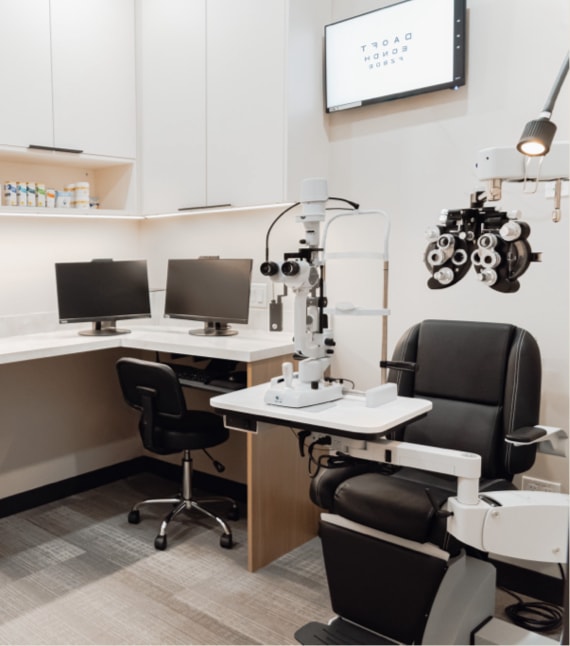
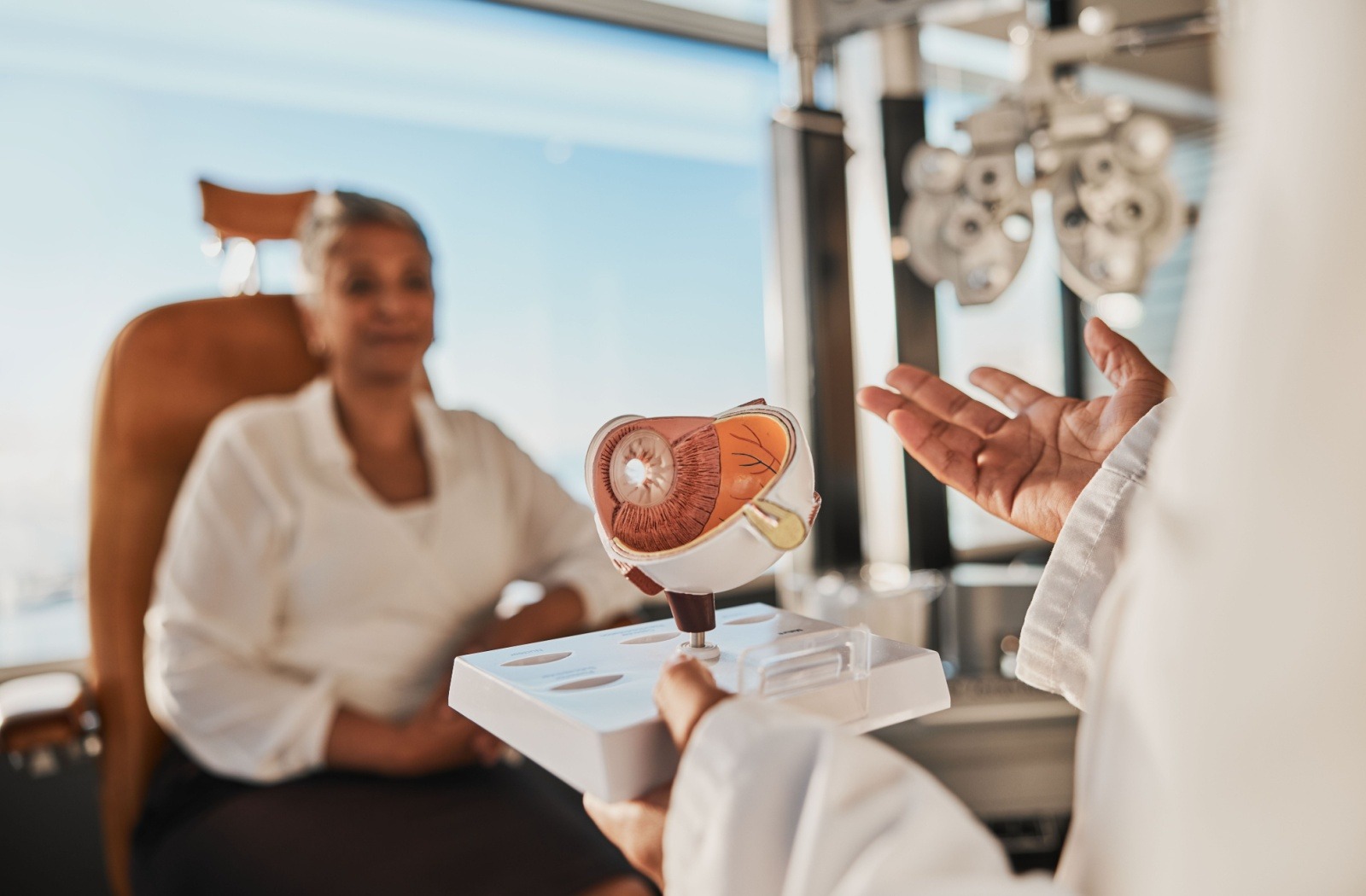
Many people think eye exams only check if you need glasses or contacts, but your eyes can reveal so much more than that. At Eye Care Studio, we provide eye examinations that go beyond basic vision testing to protect your family’s health. Our optometry team in Calgary, Alberta, is dedicated to providing you with unhurried, thorough care.
A comprehensive eye exam can detect early stages of diseases and health conditions, including glaucoma, diabetes, high blood pressure, and more, often before you experience symptoms.
Your Eyes Reveal More Than Vision Problems
Your eyes are the only place in your body where blood vessels can be seen directly, without surgery. This helps give your eye care team a clear window into your overall health.
The retina (the back of your eye), optic nerve (which sends information to the brain), and surrounding tissues can show early warning signs of conditions affecting your heart, brain, and immune system. These changes often appear before you notice symptoms elsewhere in your body.
Eye Diseases and Conditions Found During Regular Exams
Part of the reason regular eye exams are so important is that they can detect signs of eye diseases long before you would feel symptoms. This helps your eye doctor recommend preventive steps you can take to protect your vision and overall health.
Glaucoma
Glaucoma damages your optic nerve, usually from increased pressure inside your eye. We can measure this pressure and examine this nerve for early signs of damage. Many people with glaucoma only begin to notice vision changes in more advanced stages of the disease, when vision loss may have already occurred.
Cataracts
Cataracts cause your eye’s natural lens to become cloudy over time. During your eye exam, we can spot cataracts forming before they affect your daily activities.
As cataracts continue, you might notice your vision becoming slightly blurry or that colours seem less bright. We can track the progression of cataracts and help you plan treatment when the time is right.
Macular Degeneration
Age-related macular degeneration (AMD) affects the central part of your retina (the back of your eye), which you use for reading and recognizing faces.
There are 2 main types: Dry and wet macular degeneration. Early detection helps us monitor changes and recommend treatments that can slow progression.
Diabetic Retinopathy
High blood sugar can damage the tiny blood vessels in your eyes over time. We look for signs like bleeding, swelling, or abnormal blood vessel growth at the back of your eye.
Even if your diabetes is well-controlled, retinal damage can still occur. Regular eye exams help catch problems before they threaten your sight.
Serious Health Conditions Your Optometrist Can Spot
High Blood Pressure
Your retinal blood vessels can show signs of high blood pressure before you experience headaches or other symptoms. We look for changes in vessel width, bleeding, or fluid buildup.
Sometimes, we’re the first healthcare provider to notice these changes. This early detection can help you get treatment before high blood pressure damages your heart or kidneys.
Brain Tumours and Neurological Issues
Increased pressure in your brain can cause your optic nerve to swell. We can check for this swelling during a comprehensive eye exam.
Changes in your peripheral (side) vision or problems with eye movement can also signal neurological conditions. These signs help us identify when you might need additional medical evaluation.
Autoimmune Diseases
Conditions like rheumatoid arthritis and multiple sclerosis (MS) can often affect your eyes. We can look for inflammation in different parts of your eye that might indicate these conditions.
Severe dry eye can be a sign of Sjögren’s syndrome, while certain types of eye inflammation may point to other autoimmune disorders.
When to Schedule Your Next Eye Exam
Regular Eye Exam Schedule
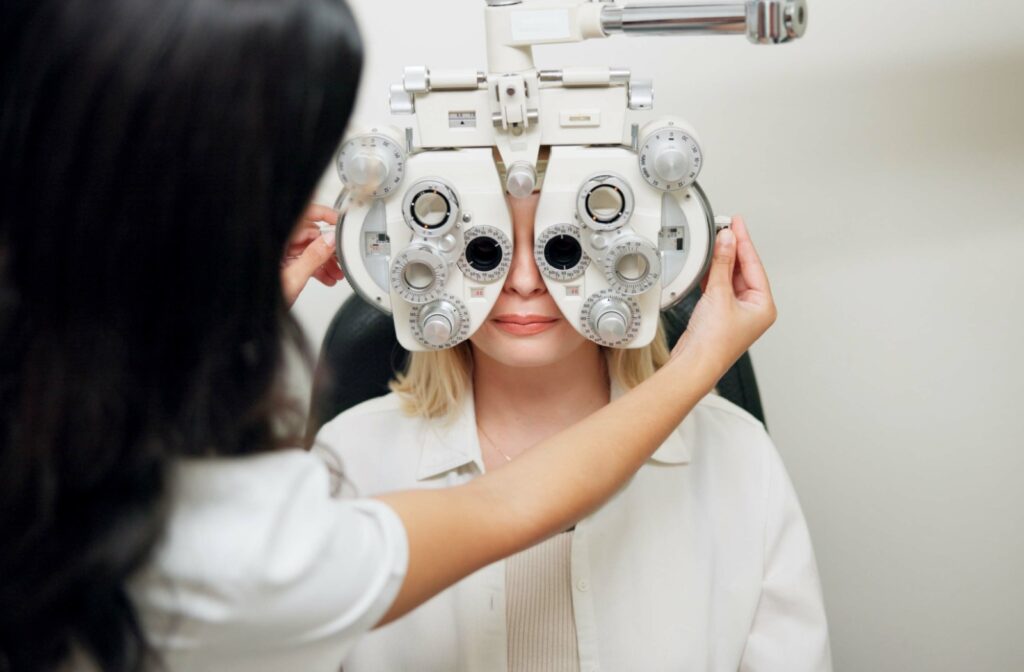
Unless you’re given specific instructions by an eye doctor, there are some general guidelines to help you know when to get an eye exam.
- Adults aged 18–39 should have an eye exam every 2 years
- Adults aged 40–64 should have exams every 1–2 years
- Adults over the age of 65 should have an eye exam annually, because their risk for eye diseases and other health conditions increases
Risk Factors That May Require More Frequent Exams
If diabetes or high blood pressure runs in your family, you might need more frequent monitoring because these conditions can affect your eyes even when well-controlled.
Previous eye injuries, surgeries, or a family history of glaucoma or macular degeneration also increase your risk. We can recommend an exam schedule that fits your individual needs.
Stay Proactive in Your Eye Health Journey
Regular eye exams do much more than update your prescription—they can be informative health checks that detect serious conditions early. At Eye Care Studio, we’re committed to providing thorough, comfortable exams that protect both your vision and your overall health. Schedule your comprehensive eye exam today and take an important step toward caring for your family’s well-being.