
Perhaps you’ve noticed your child squinting at the whiteboard at school or holding their tablet closer to their face than they used to. These symptoms are potential
Myopia control treatments can help slow down the progression of nearsightedness in children, protecting their vision for the future. As an optometrist who works with families every day, I want to share what you need to know about this important aspect of your child’s eye health.
What Is Myopia & Why It Affects So Many Calgary Kids
How Myopia Develops in Children
Myopia happens when your child’s eye grows too long from front to back. This causes light to focus in front of the retina (a tissue at the back of the eye) instead of directly on it, making distant objects appear blurry.
During childhood and the teenage years, the eye can continue to elongate. This is why many children who develop myopia find that their prescription gets stronger each year.
Signs Your Child Might Have Myopia
Watch for these common signs that suggest your child might be developing nearsightedness:
- Squinting when reading the board or watching TV
- Sitting close to screens or at the front of the classroom
- Holding books close to their eyes
- Less interest in sports that need distance vision
Why Myopia Control Matters for Your Child’s Future
How Myopia Progresses Without Treatment
Without intervention, myopia typically worsens through the childhood and teenage years, then tends to stabilize in early adulthood.
The younger your child is when myopia starts, the more likely the condition is to progress significantly. This is why early detection and treatment can make such a difference.
Long-Term Eye Health Considerations
Higher levels of myopia can increase the risk of certain eye health issues later in life. These include retinal detachment, glaucoma, and cataracts.
By slowing myopia progression now, we can help reduce these risks and protect your child’s vision throughout their lifetime.
Myopia Control Options Available from Your Optometrist Calgary SW
At Eye Care Studio, we offer a few different options for myopia control.
Contact Lenses for Myopia Control
Myopia control contact lenses are designed to slow myopia progression. These lenses work by creating specific focus points that can help signal the eye to slow its growth. Many children adapt well to wearing contact lenses and enjoy the freedom they provide.
Prescription Glasses for Myopia Control
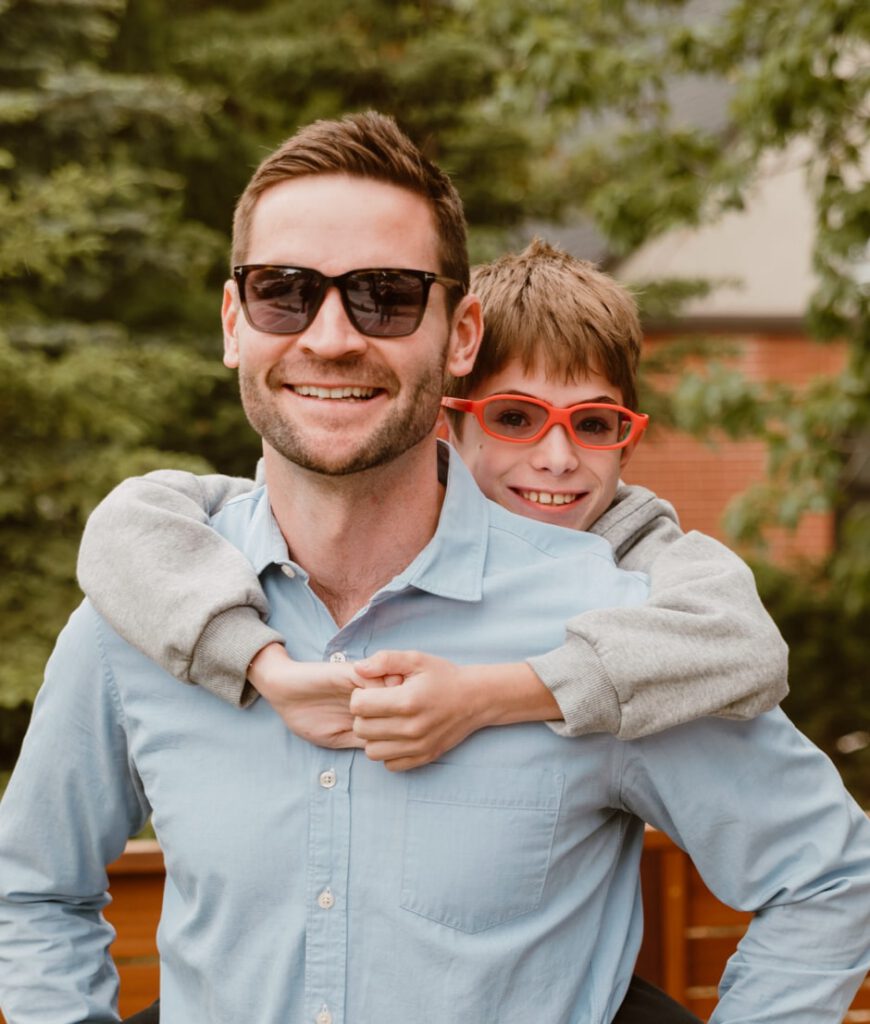
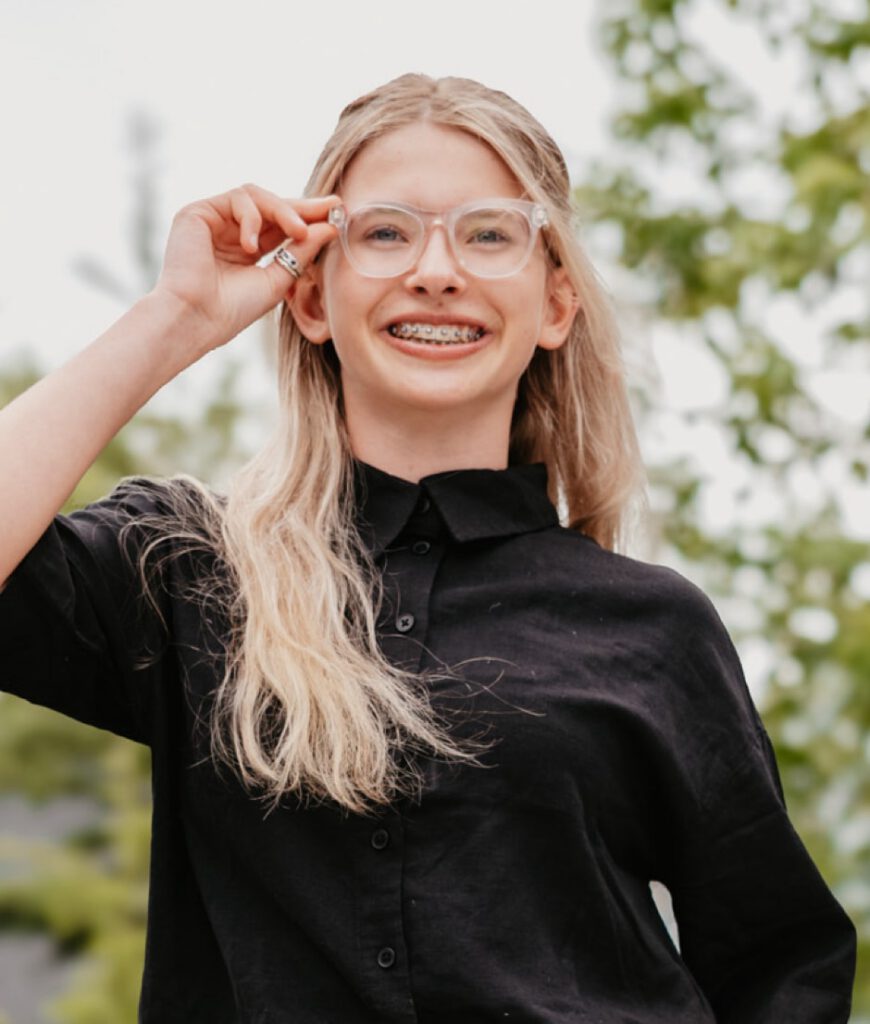
Myopia control glasses can also help manage myopia development. They work similarly to contact lenses for myopia in that they use optics to signal to the eye to slow its growth. Your child can wear these glasses just like regular prescription glasses, making them a convenient option for many families.
When to Start Myopia Control Treatment
Most myopia control treatments work most effectively when started between ages 6 and 14. This is when the eyes are still growing and most responsive to intervention.
However, every child is different, and we can discuss the right timing for your child. Learning about childhood myopia helps parents make informed decisions.
How Early Detection Makes a Difference
Regular eye exams help us catch myopia in its early stages. The sooner we can start treatment, the more effective it tends to be.
Even if your child doesn’t complain about their vision, comprehensive eye exams can detect changes before they become noticeable problems.
What to Expect During Your Child’s Eye Exam
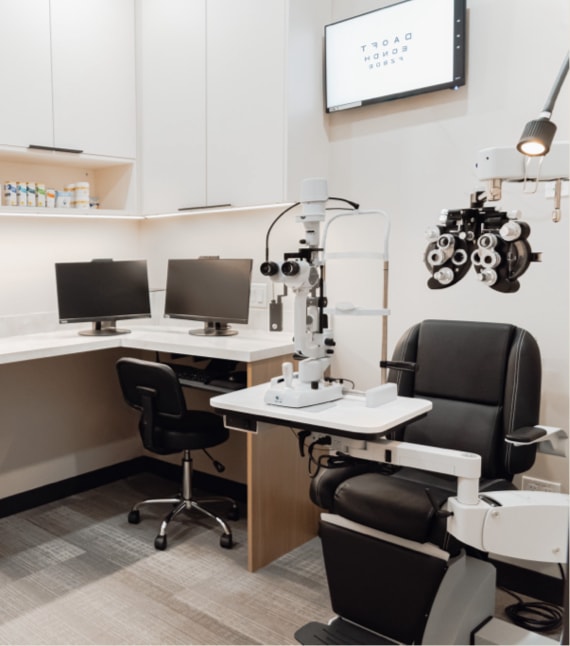
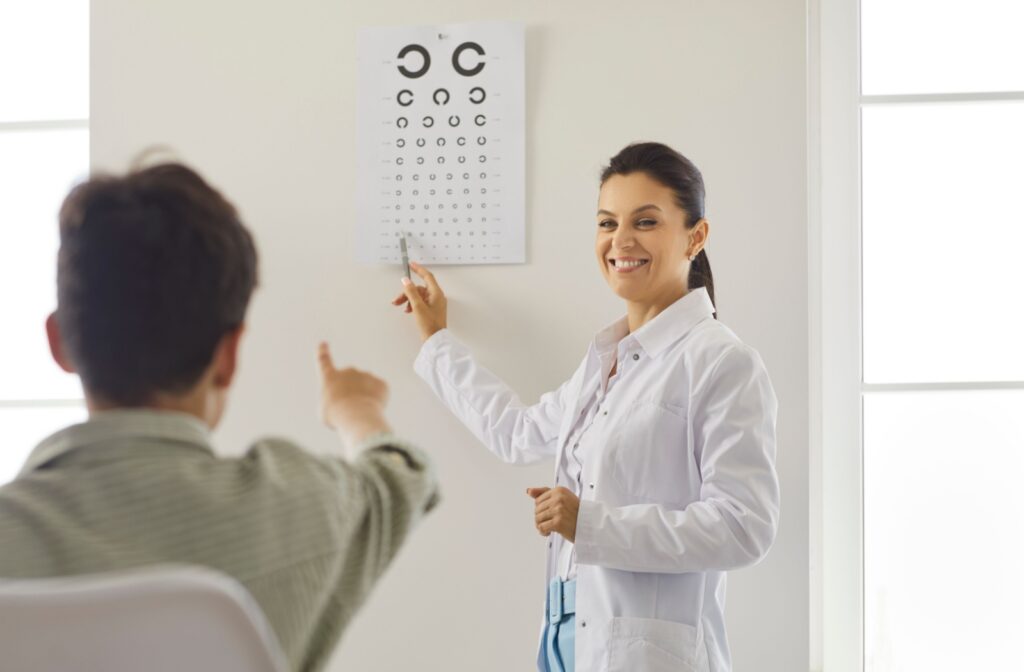
As part of your child’s eye exam, we’ll test them for myopia. If they do have the condition, we’ll work together to develop a treatment plan. This might include specialty lenses, lifestyle recommendations, or a combination of approaches.
We’ll explain each option clearly, so you can make informed decisions about your child’s eye care. Regular follow-up visits help us track progress and adjust the plan as needed.
Support Your Child’s Eye Health at Home
Screen Time Guidelines
Myopia has been linked to significant amounts near work (like studying or using a screen), so giving your child’s eyes a break might be helpful in the long run.
The 20-20-20 rule is a simple way to give your child’s eyes regular breaks. Every 20 minutes, encourage them to look at something 20 feet away for at least 20 seconds. Setting up good lighting when your child uses screens and maintaining proper viewing distances can also help reduce eye strain.
Encourage Outdoor Play Every Day
Research shows that spending time outdoors can help slow myopia progression. Aim for at least 2 hours of outdoor time each day when possible.
The bright natural light and distance viewing that come with outdoor activities both contribute to healthier eye development in children.
Regular Eye Exams Keep Treatment on Track
Consistent monitoring helps ensure your child gets the maximum benefit from their myopia control treatment.
Protect Your Child’s Vision
At Eye Care Studio, we understand how important your child’s vision is to their success in school and other activities. Our experienced team can help you navigate myopia control options and find the approach that works for your family. Contact us today to schedule your child’s comprehensive eye exam and learn more about protecting their vision for the future.