Many families wonder when to schedule eye exams and how often they really need them. The answer depends on your age, health, and specific vision needs—but regular comprehensive eye exams help catch problems early and keep your whole family seeing clearly. At Eye Care Studio, we believe preventive care is the foundation of lifelong healthy vision.
Most children need annual eye exams once they start school, while adults can typically go every 1-2 years until age 65, when yearly visits become essential.
Eye Exam Frequency by Age Group
Infants & Toddlers (6 Months to 2 Years)
Your baby’s first eye exam should happen around 6 months of age. This early checkup helps us spot any developmental issues that could affect their vision as they grow. Early screening follows key milestones in children’s vision that track healthy development.
The next exam can wait until your child is between 2 and 3 years old, unless we notice any concerns during that first visit. These early exams set the foundation for healthy vision development.
Preschoolers (3 to 5 Years)
We recommend a comprehensive eye exam before your child starts school, ideally around age 3 to 5. This timing helps us catch any vision problems that could make learning more difficult.
Many vision issues become more apparent when children start focusing on books, puzzles, and other close-up activities. An exam at this stage gives you time to address any concerns before kindergarten begins.
School-Age Children (6 to 18 Years)
Once your child starts school, annual eye exams become essential. Children’s vision changes rapidly during these growing years, and new demands from schoolwork can reveal problems that weren’t noticeable before.
Regular checkups help us monitor for myopia progression, which has become increasingly common in school-age children. Early detection allows us to explore options that may help slow this progression.
Adults (18 to 65 Years)
Most adults can schedule eye exams every 1 to 2 years during this period. If you don’t wear glasses or contacts and have no family history of eye problems, every 2 years is typically sufficient.
However, if you wear corrective lenses or spend long hours looking at screens, annual visits help us monitor your prescription needs and eye health more closely. Screen users benefit from learning about digital eye strain prevention.
Seniors (65+ Years)
After age 65, we recommend annual eye exams to monitor for age-related changes. Your risk for conditions like glaucoma, macular degeneration, and cataracts increases with time.
These yearly visits help us track any changes and address them promptly. Many age-related eye conditions develop gradually, making regular monitoring especially valuable.
When You Might Need More Frequent Eye Exams
Family History of Eye Problems
If eye conditions run in your family, you may need more frequent checkups. Genetic factors can increase your risk for glaucoma, macular degeneration, and other serious eye conditions.
We’ll work with you to determine the right schedule based on your specific family history. Some conditions benefit from monitoring every 6 to 12 months rather than the standard timeline.
Existing Vision Conditions
Certain conditions require closer monitoring to prevent progression or complications:
- Myopia progression in children
- Glaucoma or diabetes-related eye issues
- Previous eye injuries or surgeries
If You Wear Glasses or Contacts
Contact lens wearers typically need annual exams to monitor eye health and lens fit. Your prescription can change over time, and we want to make sure your lenses remain comfortable and safe. Learn more about proper contact lens care.
Glasses wearers may also benefit from yearly visits, especially if you notice any changes in your vision quality or comfort.
Signs You Need an Eye Exam Sooner
Children’s Warning Signs
Watch for these signs that suggest your child may need an eye exam sooner than scheduled:
- Squinting or sitting close to screens
- Frequent eye rubbing or headaches
- Difficulty reading or focusing in school
- Avoiding sports or outdoor activities
Adult Warning Signs
Schedule an appointment if you experience any of these symptoms:
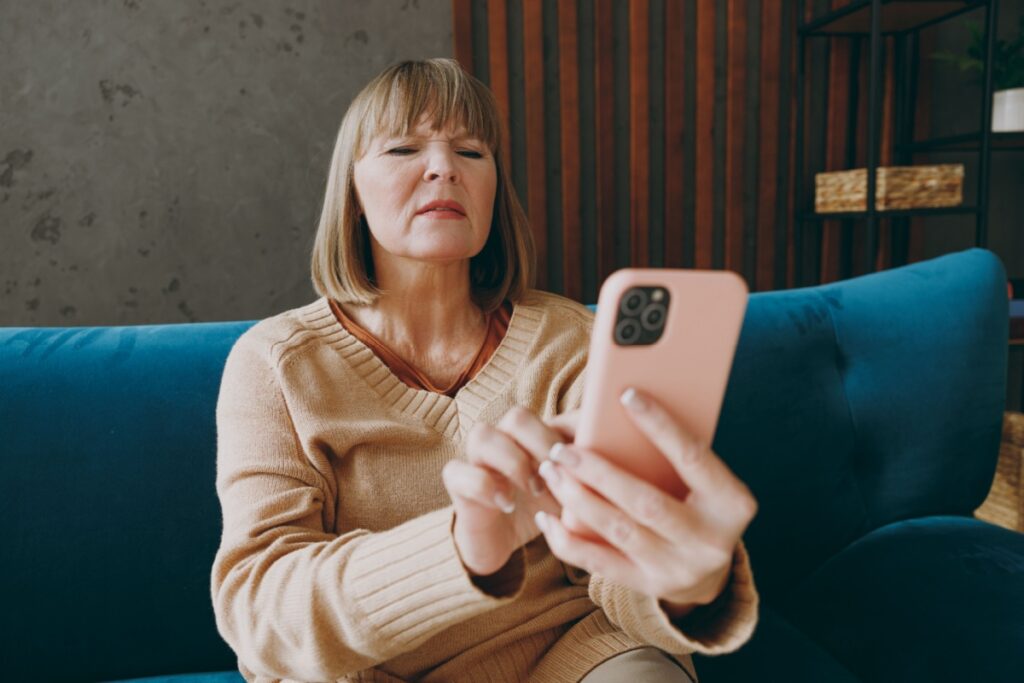
- Blurred or double vision
- Eye strain from screen time
- Sudden changes in vision
- Persistent headaches
What Happens During Regular Eye Exams
Vision Testing
We start by checking how clearly you see at different distances using various charts and tests. This helps us determine if you need glasses or if your current prescription needs updating. Understanding the difference between a comprehensive eye exam versus sight test helps you appreciate the thoroughness of our approach.
For children, we use age-appropriate tests that make the experience comfortable and engaging. Even very young children can participate in vision screenings designed for their developmental stage.
Eye Health Assessment
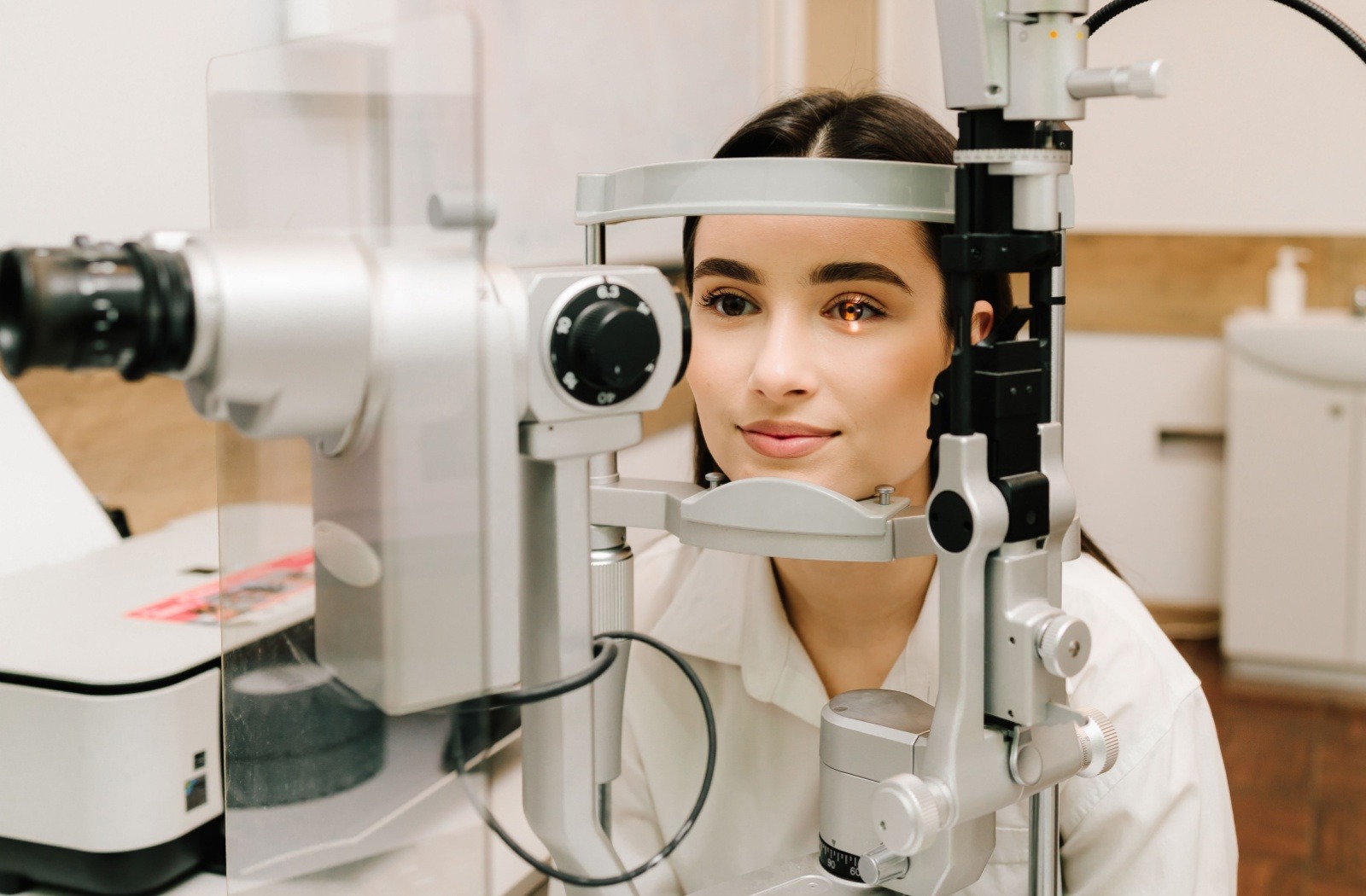
Beyond vision testing, we examine both the external and internal structures of your eyes. This comprehensive assessment helps us spot early signs of eye diseases or other health conditions.
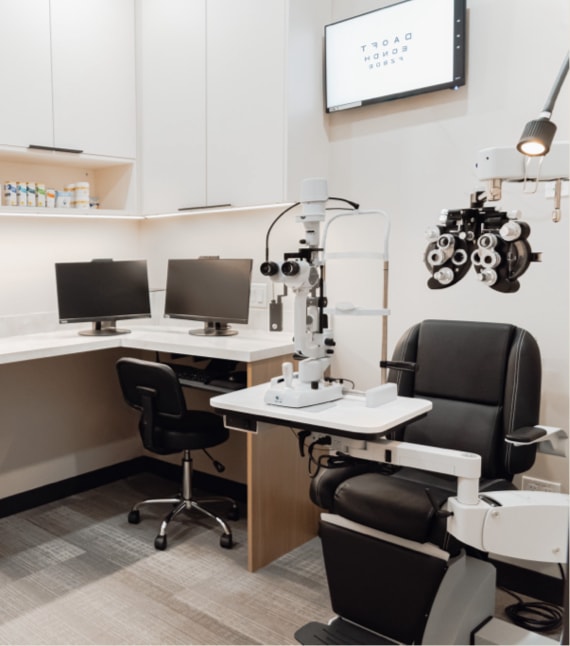
We use specialized equipment to get a detailed view of your retina, optic nerve, and other important structures inside your eye. Innovative imaging, such as retinal photography, helps document your eye health over time.
Prescription Updates
If you currently wear glasses or contacts, we’ll check whether your prescription still provides the clearest, most comfortable vision. Small changes in your prescription can make a big difference in your daily comfort.
We’ll also discuss any lifestyle changes that might affect your vision needs, such as new hobbies or work demands.
Benefits of Regular Eye Care
Early Problem Detection
Regular exams help us catch eye problems before they start affecting your daily activities. Many serious eye conditions develop gradually without obvious symptoms in their early stages.
Early detection often means simpler treatment options and better outcomes for your long-term eye health.
Better School & Work Performance
Clear, comfortable vision directly impacts how well children learn and how productively adults can work. Even minor vision problems can cause fatigue, headaches, and difficulty concentrating.
Regular eye care helps maintain the sharp vision needed for reading, computer work, and other daily tasks.
Long-Term Eye Health
Consistent monitoring allows us to track changes in your eye health over time. This ongoing relationship helps us provide more personalized care as your needs evolve.
Prevention and early intervention are always preferable to treating advanced problems later.
Your Eye Care Schedule in Calgary SW
Making Eye Exams Part of Your Routine
Consider scheduling your family’s eye exams around the same time each year, perhaps when school starts or during back-to-school preparations. A routine approach helps you stay on track with regular care.
Many families find it helpful to book their next appointment before leaving our office, so they don’t have to remember to call later.
What to Bring to Your Appointment
Bring your current glasses or contacts, insurance information, and a list of any medications you’re taking. If you have specific concerns about your vision, write them down beforehand so you don’t forget to mention them.
For children’s appointments, bring any previous eye exam records and information about their school performance or activities.
Protect Your Vision with Eye Care Studio
At Eye Care Studio, we’re here to help your family maintain healthy vision at every stage of life. Contact us today to schedule your eye exam and take the first step toward comprehensive eye care for everyone in your family.